As the days grow shorter and cooler, and peace returns to Findhorn Village after the busy summer, it is time to take a stroll and enjoy the sounds of nature.
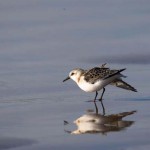
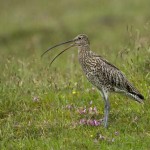
An hours walk along the edge of Findhorn Bay and the Moray Firth will be full of the sights, smells and sounds of Autumn. From the weeds and shells thrown up from the sea onto the beach, to the seals competing for food with the gulls at the entrance to the Bay as the tide turns.
The bird watching is usually magnificent, and easy too, with the shore being only yards from the heart of the village (we’ve often sat outside the pub watching the Osprey fishing!).
The following description is from NatureWalk Findhorn. Sean Reed, a trained ecologist and former RSPB warden, takes you on a sensory adventure around Findhorn:
‘From the beach we will search for sea duck, including eider, common and velvet scoter and long-tailed duck. If we are very lucky we might see a red-throated diver or a Slavonian Grebe – or even a Great Northern, or black-throated diver.
On Findhorn Bay we will learn how to identify wading birds such as the bar-tailed godwit, golden plover and redshank. You may like to return to the Bay early evening for a spectacular dusk goose roost watch.
Walking in the woods gives us an opportunity to become familiar with mixed flocks of small birds, including goldcrest and tree creeper. We might see a red squirrel. If we are very lucky we might encounter or a crested tit, or a flock of crossbills. In the autumn we will keep our eyes open for wild mushrooms.’
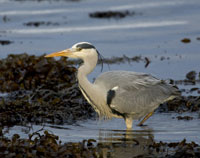
RSPB Culbin Sands, a ‘breathtaking coastal reserve, full of wildlife‘, is 10 minutes drive from Findhorn, or a one minute water taxi ride. The RSPB Website list the star species as Common Scoter, Eider, Long Tailed Duck, Ringed Plover and Velvet Scoter.
Unusual visitors to the Moray Firth during the autumn include a include a small flock of brent geese. Dolphins can sometimes be seen in the firth and occasionally the quiet visitor may see otters from the more remote parts of the reserve. (RSPB Culbin Sands)
If you are looking for somewhere warm and cosy to stay, come to Myrtle Cottage, our self catering cottage in the heart of Findhorn Village.
We are happy to offer flexible short breaks from October onwards, from as little as £14 per person per night.
For Myrtle Cottage Findhorn availability and idea of rates, click here.
For guided walks with Sean Reed go to http://naturewalkfindhorn.co.uk/
For more bird photography go to http://www.david-devonport.co.uk/


 Myrtle Cottage Findhorn